
Aid for Disaster Risk Reduction (DRR) By Kozo Nagami
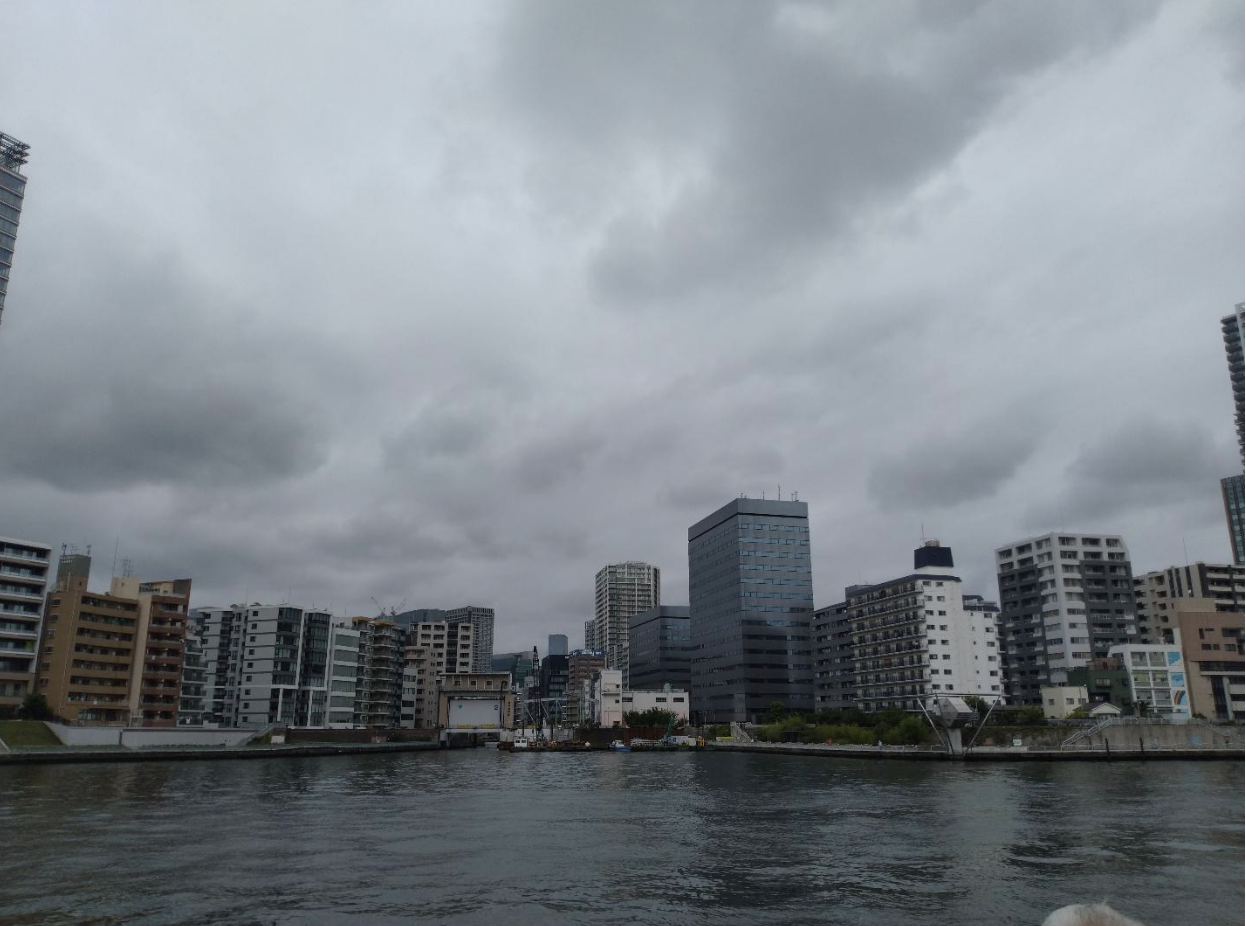
Photo By: Kozo NAGAMI; Urban concentration in Sumida river downstream area,Tokyo
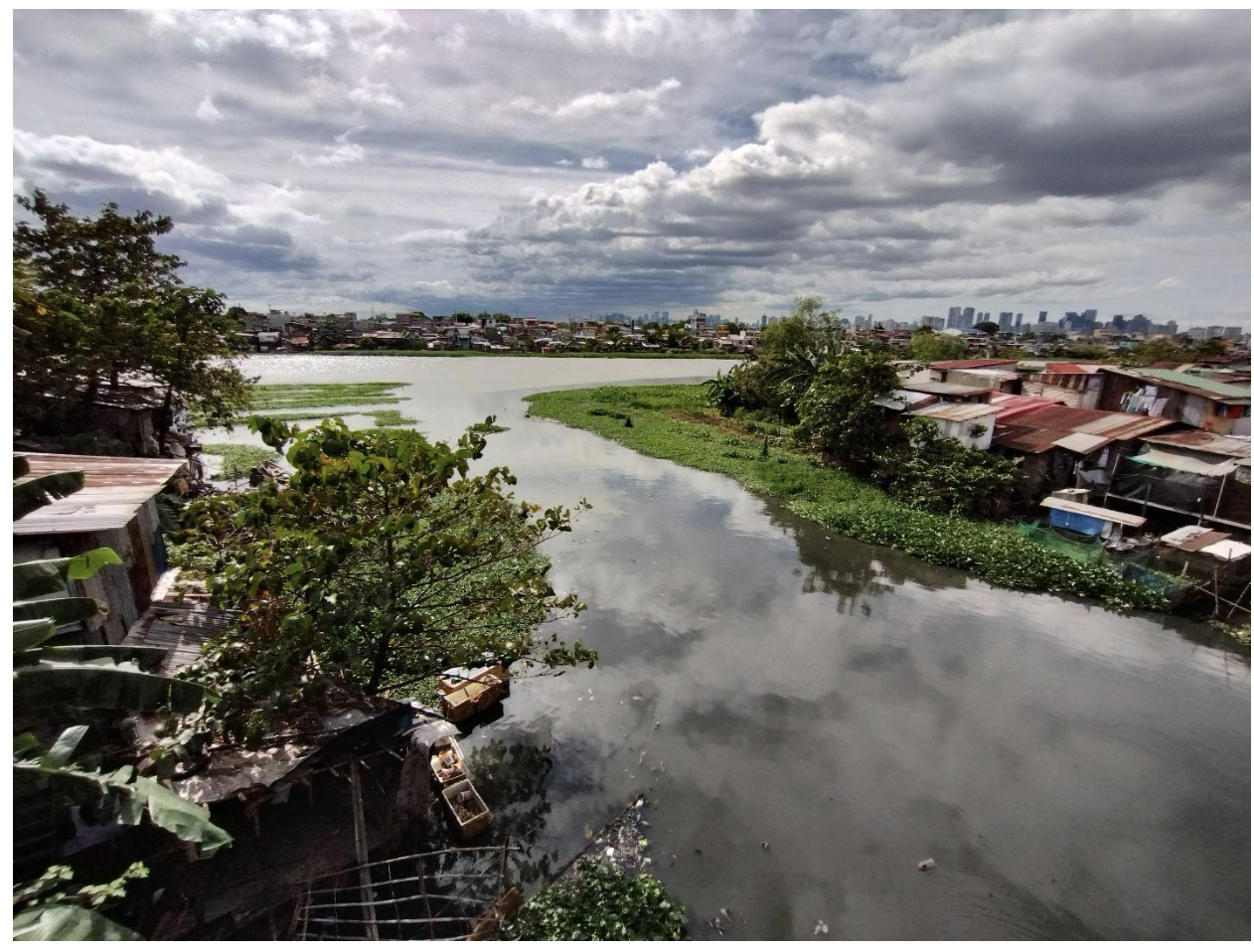
Photo By: Urban sprawl in the downstream floodplain in Manila
Abstract
This study examines three cases with different levels of intervention in Disaster Risk Reduction (DRR) cooperation. In Kathmandu, where no DRR aid has been implemented, urbanization pressure is increasing, particularly in the transportation sector, and disaster risk–increasing development (DRID) is progressing. In Manila, where large-scale floodway construction 40 years ago enabled urban expansion, new challenges have emerged as the city continues to grow. In the Tokyo metropolitan area, where flood control measures have been implemented incrementally over the past 400 years, new social issues such as climate change, population aging, and widening inequality are becoming increasingly significant. By examining these multifaceted cases, we will identify and better understand the roles and challenges of DRR cooperation.
Author: Kozo Nagami
Specially Appointed Professor
International Research Institute of Disaster Science (IRIDeS)
Tohoku University. Full Bio [Here]
Contact Email: Kozo.nagami.e5@tohoku.ac.jp