
Rethinking Disasters and Development in the Entropocene: The Moken and the 2004 Indian Ocean Tsunami By Naw Thiri May Aye
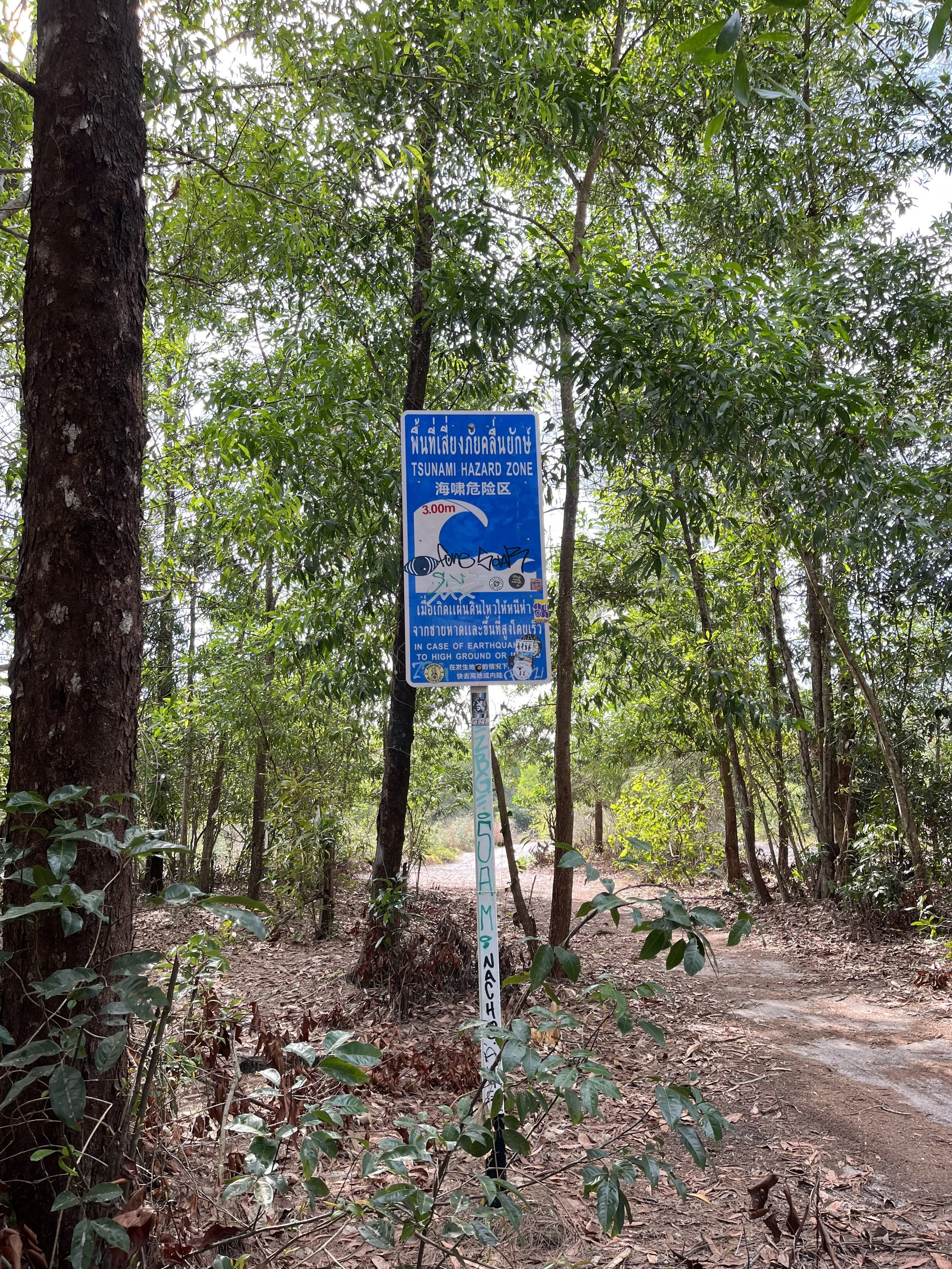
Photo By: Tsunami Harzard Zone Near Moken Village
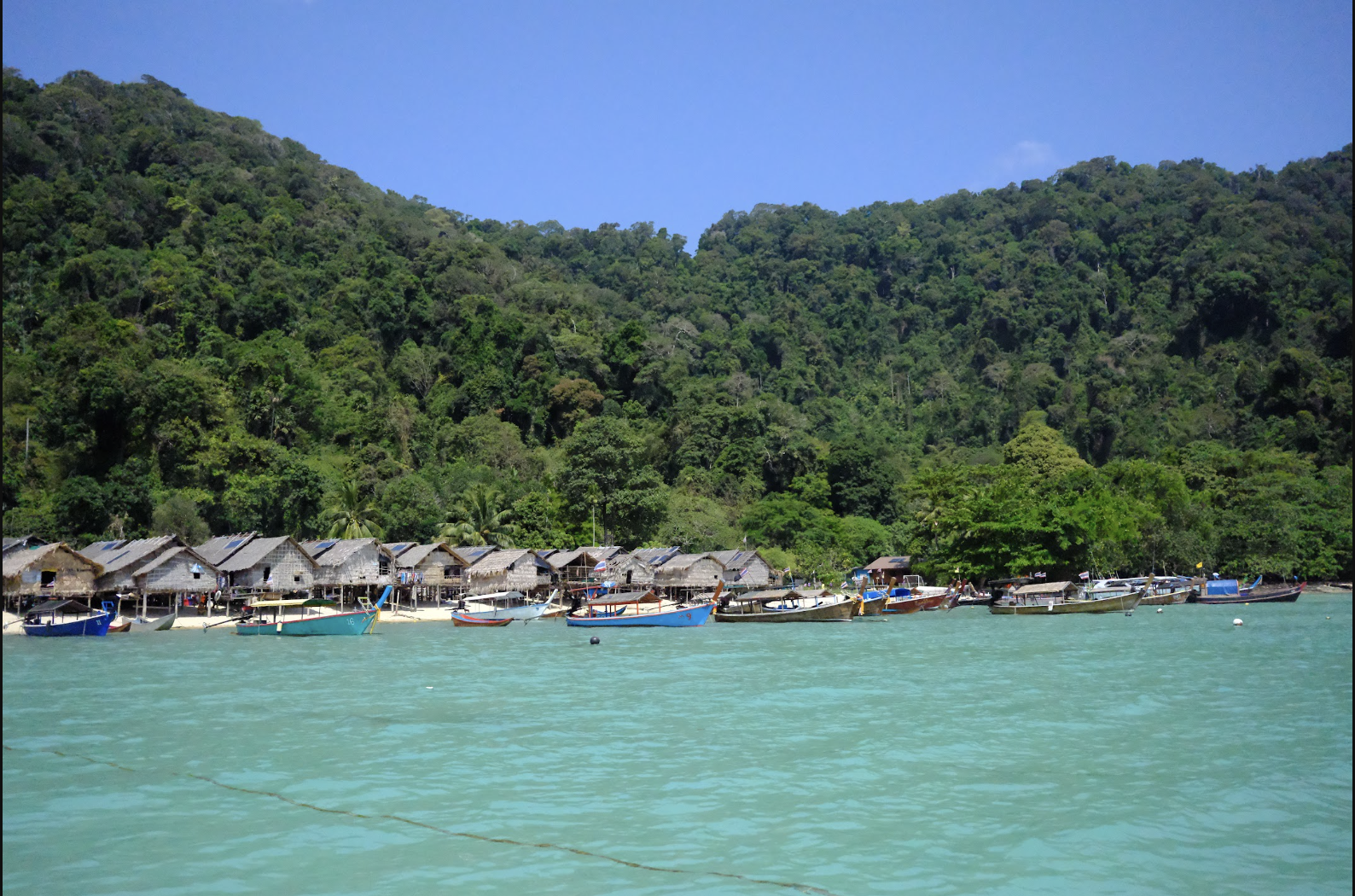
Photo By: Thiri May Aye, Surin Isand (National Park and Moken Village)
Abstract
This case study contributes to a broader WEDiDEA project by exploring the relationships between disasters, development, and human–nature relations in the context of the Entropocene. Drawing on the experience of the Moken, an Indigenous sea-nomadic people of the Andaman Sea, the study examines how vulnerability and resilience are shaped through interactions between ecological knowledge, development processes, and socio-ecological change. The 2004 Indian Ocean tsunami provides a particularly useful case because many Moken communities successfully interpreted warning signs and responded before the tsunami struck, drawing on long-standing ecological knowledge and oral traditions.
The case contributes to ongoing debates about what constitutes a disaster. Rather than treating disasters as synonymous with hazardous events, it understands disasters as harmful processes or events whose impacts exceed the capacity of individuals, communities, or ecosystems to anticipate, respond to, cope with, and adapt to. From this perspective, disasters include not only sudden hazards such as tsunamis, earthquakes, and storms, but also slower-moving ecological crises such as biodiversity loss, climate change, ecosystem degradation, and the erosion of Indigenous knowledge systems. The Moken experience suggests that disaster is relational and contingent, shaped not only by the magnitude of a hazard but also by the knowledge systems, social relations, ecological conditions, and human–nature interactions that influence adaptive capacity.
Using the Entropocene as a heuristic lens, the study explores how tourism development, conservation policies, sedentarisation, and market integration have transformed Moken livelihoods and human–nature relations while reshaping vulnerability and resilience. In doing so, the case contributes to broader discussions on environmental justice, relational understandings of disaster, and the dialogue between disaster studies and ecological economics.
Author: Naw Thiri May Aye, Assistant Professor
Sustainable Society Design Center
Graduate School of Frontier Sciences
University of Tokyo. Full Bio [Here]